Checks Approved : President Donald Trump has given the green light to a new round of $1,100 stimulus checks aimed at providing quick relief to low-income families across the USA.
This move comes amid ongoing economic pressures, with whispers from the White House suggesting these payments could hit bank accounts sooner than expected.
The Announcement That Caught Everyone Off Guard
It started with a buzz on popular YouTube channels like Blind to Billionaire, where creators broke down the details straight from recent administration hints.
Trump, speaking on tariff revenues pouring in, endorsed payments in the $1,000 to $2,000 range, zeroing in on folks struggling the most.
The $1,100 figure emerged as a targeted amount for those earning 8% or less of the median household income, sparking immediate excitement online.
Viewers tuned in by the millions, watching breakdowns that explained how this fits into Trump’s bigger vision of sharing tariff windfalls directly with everyday Americans.
One video highlighted how the president posted on social media about a “dividend of at least $2,000,” but adjusted talks led to this specific $1,100 approval for broader reach. It’s not just talk – insiders say Congress fast-tracked elements from prior rebate proposals to make it happen.
Who Qualifies for These $1,100 Payments?
Eligibility boils down to income levels pulled from recent tax returns, focusing on low earners hit hardest by inflation. If your household income sits at or below about $5,600 annually – roughly 8% of the U.S. median around $70,000 – you’re likely in line.
This includes many on fixed incomes like SSI or SSDI, where benefits often fall under the standard deduction, effectively zeroing out taxable income in IRS eyes.
YouTube experts crunched the numbers, noting the standard deduction of $12,500 means even those earning up to $17,000-$18,000 could qualify after adjustments.
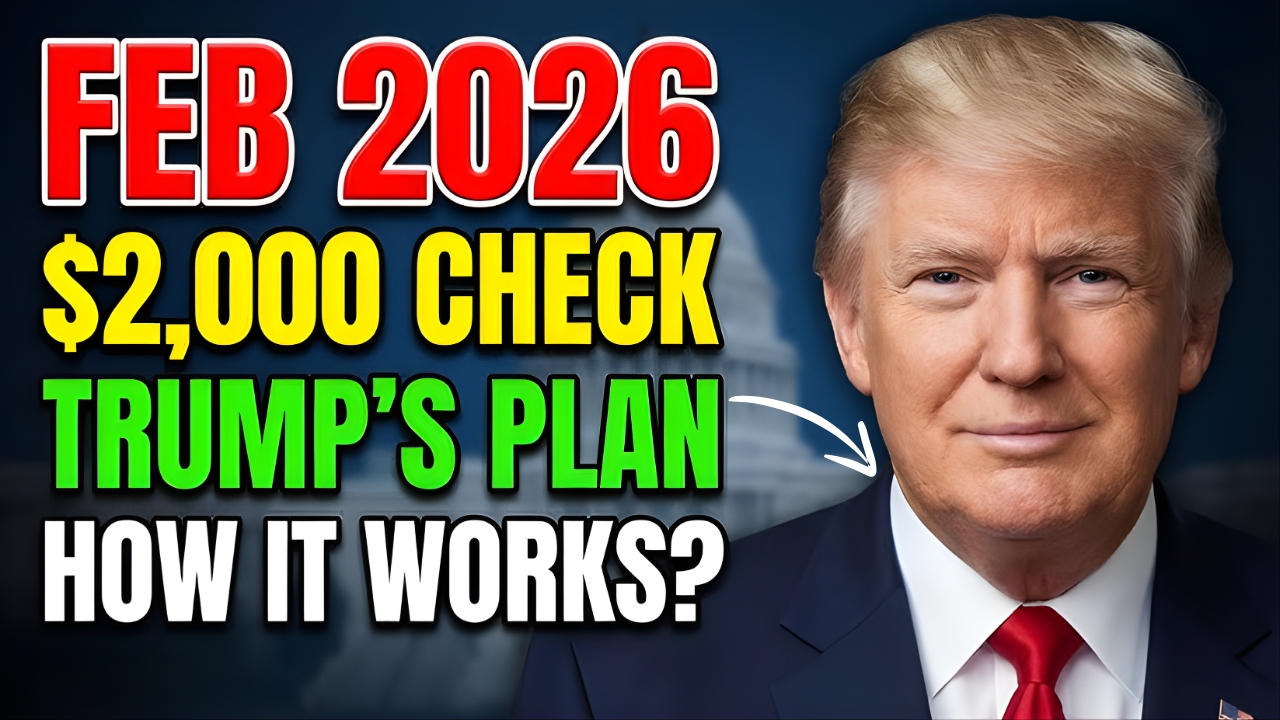
Seniors, disabled individuals, part-time workers, and families with kids get priority, echoing past stimulus rounds but with a sharper low-income lens. No new application needed for most – the IRS uses 2024 filings to auto-approve and deposit.
Single filers under $75,000 from before? You’re covered, but this round tightens to true hardship cases. Veterans and students filing independently also make the cut, per video analyses tying it to Trump’s “America First” relief push.
How the Money Adds Up and Why Now
These aren’t random handouts; they’re funded by surging tariff collections, which Trump touts as “trillions” boosting U.S. coffers.
Videos point to early 2026 timelines, with deposits possibly starting late February for direct deposit users. Paper checks follow for others, mirroring 2021’s speedy rollout.
The $1,100 per eligible person could mean $2,200 for couples or more with dependents, a lifeline for rising grocery and rent costs.
Creators like those on Blind to Billionaire stressed this aligns with Trump’s repeated nods to rebates, from $600 worker acts to $2,000 dividends, all evolving into this approved package. It’s positioned as a pre-midterm boost, keeping promises alive without waiting for recession triggers.
Rolling Out the Payments: Timeline and Process
Expect IRS notifications via mail or online accounts first, then funds hitting by mid-2026 at latest. Direct deposits prioritize speed, with waves based on last two digits of SSNs, just like old stimulus days. YouTube updates warn against scams – no fees or apps required; it’s all automatic.
Channels tracked similar past payments, like $1,400 retro checks in January 2025, which reached a million without hitches.
This $1,100 round builds on that, with Treasury eyeing electronic transfers to cut delays. If your info’s updated, you’re set; otherwise, file a quick 2025 return by April to lock in.
Economic Impact and What’s Next
These checks could inject billions into communities, spurring spending where it’s needed most – local stores, bills, and basics.
Analysts on video say it counters inflation without ballooning debt, thanks to tariff backing. Trump’s team frames it as “putting America back to work” by easing household strains.
Beyond $1,100, talks swirl of add-ons like Trump Accounts ($1,000 for newborns) and warrior dividends for military. YouTube buzz predicts more if tariffs keep flowing, potentially scaling to $2,000. Families are urged to check IRS portals now for eligibility previews.
Voices from the Ground: Real Stories Emerging
Everyday Americans shared reactions in comment sections, from single moms thanking the focus on kids to retirees feeling seen after years of tight budgets.
One viewer noted, “Finally, something for us fixed-income folks – this changes everything.” Channels amplified these, showing how $1,100 covers a month’s utilities for many.
Skeptics question timing near elections, but supporters point to Trump’s track record on quick aid. Videos dissected his clips, confirming commitment despite congressional hurdles. It’s sparking hope, with calls flooding Medicare lines tied to these creators for bundled relief advice.
Challenges and Criticisms in the Mix Checks Approved
Not everyone’s cheering – some lawmakers balk at costs, estimating $300 billion total. Videos counter that tariff hauls cover it, dismissing “too expensive” claims. Scams mimicking approvals are rising, so official IRS confirmation is key.
Past delays, like unclaimed 2021 credits, remind folks to verify bank details. Creators warn high earners are excluded, keeping it targeted. Still, approval momentum feels real, per White House echoes.
Also Read this – IRS Direct Deposit Status is released for reverse, Check who will get this?
In english, this $1,100 approval under President Trump marks a pivotal win for working families, blending tariff smarts with direct aid. As videos keep updating, stay vigilant – relief is rolling, but verification protects your share. Buckle up; more economic moves loom in 2026.